
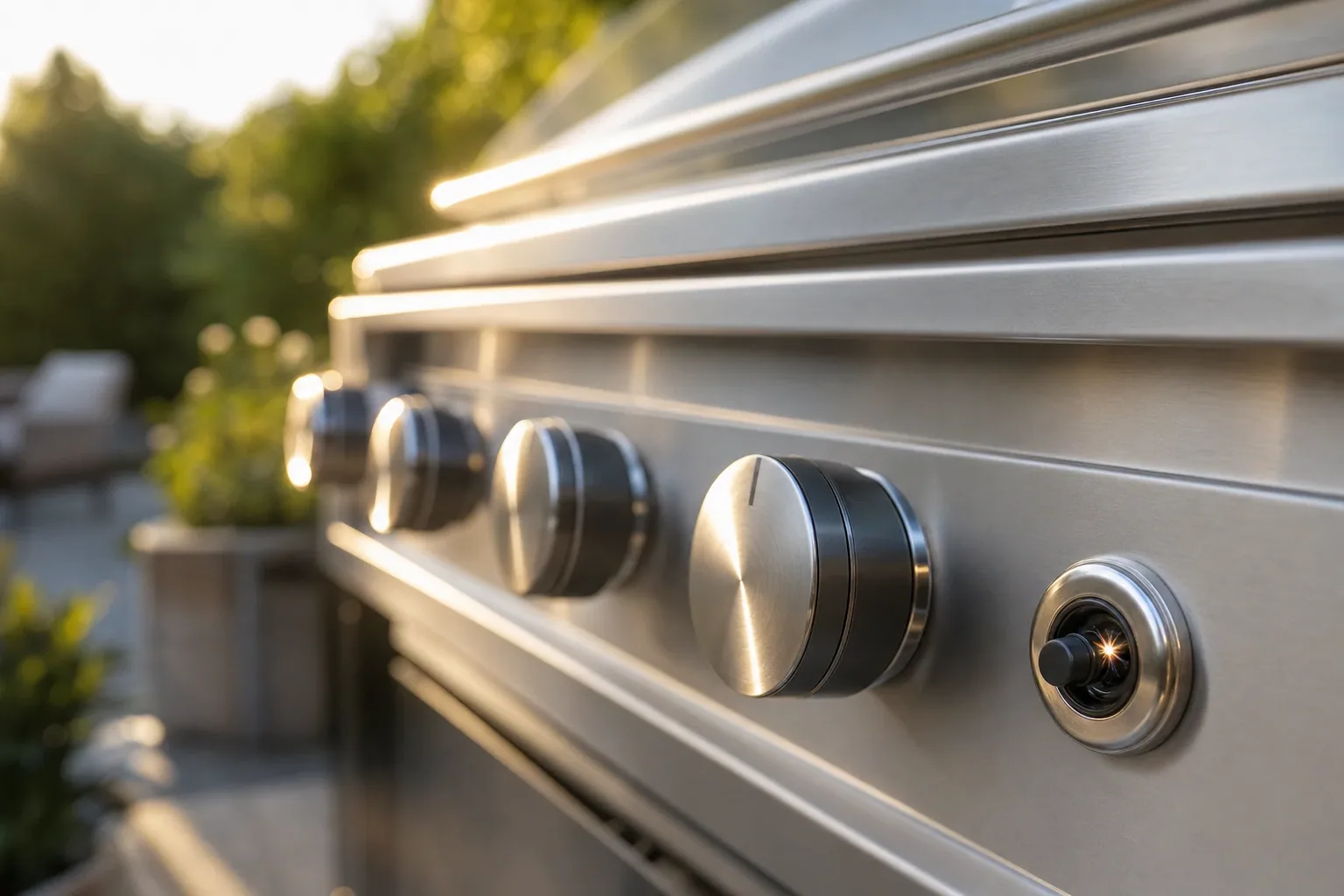
When you're ready to fire up your gas grill and nothing happens, it's frustrating. A gas grill won't ignite when the igniter fails, leaving you without your planned cookout. The good news is that grill igniter problems are often fixable without calling a technician, and understanding the common causes can save you time and money.
Most gas grill ignition issues stem from simple problems: dead batteries, moisture, loose wires, or clogged spark holes. Before you assume your grill needs expensive repairs, walk through these troubleshooting steps. Many homeowners fix their grills in minutes by checking just a few things.
Why Your Gas Grill Igniter Is Not Working
A gas grill igniter works by producing a spark that lights the gas flowing from your burners. The system typically includes a battery-powered spark generator, wires connecting the igniter button to the spark module, and spark plugs positioned at each burner. When any part of this chain breaks down, your grill won't ignite.
The most common culprit is a dead or dying battery. Electronic ignition systems rely on AA or 9V batteries depending on your grill model, and these drain faster than you might expect, especially after a long grilling season. Other frequent causes include:
- Moisture or corrosion inside the ignition module
- Wires disconnected or damaged from weather or rodents
- Clogged spark electrode holes filled with debris or grease
- A faulty spark module that has worn out
Understanding which of these applies to your grill helps you know whether you're looking at a quick fix or a replacement part.
How to Fix Grill Starter Issues: Start Simple
Before you disassemble anything, start with the easiest solutions. These take five minutes and resolve the majority of ignition problems.
Replace the battery first. Most grills use AA batteries housed in a compartment near the control knobs or under the grill box. Open the battery door, note which way the batteries sit, remove them, and install fresh ones. Try igniting the grill. If it works, you're done. If not, move on.
Check for loose wires. Look underneath or behind the control panel where wires connect the igniter button to the spark module. Vibration from use or temperature swings can loosen connections. Gently press each wire connector to ensure it's seated fully. Don't force anything; just make sure connections are snug.
Clean the spark electrode holes. This is one of the most overlooked fixes. Locate the small metal electrodes positioned just above each burner where the spark fires. Grease buildup and food debris can block the spark from reaching the burner, making ignition fail even though the igniter is working. Turn off gas at the control valve and disconnect the tank. Use a thin wire or a specialized grill cleaning brush to gently clear each electrode hole. Wipe away loose debris with a dry cloth.
Moisture and Corrosion Problems
If you store your grill outdoors or live in a humid climate, moisture can creep into the ignition module and corrode the battery contacts. This prevents current from flowing to the spark generator.
Open the battery compartment and inspect the inside. If you see greenish or white corrosion on the battery contacts, that's your problem. Remove the corrosion by gently rubbing the contacts with a small dry cloth or a pencil eraser. If the corrosion is heavy, you may need to replace the battery compartment or ignition module.
To prevent moisture buildup in the future, store your grill in a covered area during off-season months, or use a waterproof grill cover. Check battery compartments every few months, especially in wet seasons, and replace batteries even if they haven't died yet if you notice any corrosion.
Damaged or Disconnected Wiring
Wires connecting your igniter button to the spark module can be damaged by weather, pests, or wear. Look for cracks, loose connections, or wires that have been chewed or pinched.
If a wire is loose, push the connector firmly back into place. If a wire is visibly cracked or broken, it will need to be replaced. Most manufacturers sell replacement ignition harnesses that are straightforward to install, typically involving removing a few screws and swapping the old assembly for the new one. Check your grill's manual or contact the manufacturer for the exact part number.
Rodent damage, while less common, does happen in outdoor settings. If you suspect animals have chewed wires, inspect the entire wire run from the igniter button to the spark module and battery compartment. Consider installing wire guards or mesh around the grill's lower areas to prevent future damage.
When to Replace the Spark Module or Igniter Assembly
If you've tried replacing batteries, cleaning electrodes, checking wires, and addressing corrosion without success, the spark module itself may have failed. Spark modules wear out over time, typically lasting five to seven years depending on how often you use your grill.
Replacing a spark module is straightforward for most grills. The module sits in an accessible location, usually beneath the control panel or inside the grill box. You'll typically need to disconnect wires, remove a few bolts, and install the replacement. Parts cost between fifty and two hundred dollars depending on your grill brand and model, making this an affordable repair compared to buying a new grill.
Premium brands like Napoleon, Summerset, TrueFlame, and others you'll find at Prime Grill Shop include detailed parts diagrams and customer support to help you identify the exact module you need. Many quality grills come with manufacturer warranties covering ignition components, so check your documentation before purchasing a replacement part.
Quick Troubleshooting Checklist
Use this step-by-step checklist the next time your gas grill igniter fails:
- Turn off the gas at the control knobs and the tank valve.
- Replace batteries with fresh ones and test ignition.
- Inspect battery compartment for corrosion; clean if needed.
- Check all wire connections behind the control panel; reseat as needed.
- Clean spark electrode holes above each burner with a thin wire.
- Test ignition again with gas back on.
- If still no spark, check wires for damage or cracks.
- If all else fails, order a replacement spark module and follow your grill's installation guide.
Most ignition problems resolve at step two or five. Spend a few minutes on these basic fixes before assuming you need a new part.
Keep Your Grill Ready to Cook
A working igniter means you can fire up your grill whenever family and friends gather around your backyard. Regular maintenance, fresh batteries, and keeping moisture out of the ignition system will keep your grill reliable for years. If you do need replacement parts or want to upgrade to a more advanced grill with a built-in ignition system, Prime Grill Shop carries premium gas grills from trusted brands with full manufacturer warranties and U.S.-based customer support. We're here to help you maintain your outdoor cooking investment.