
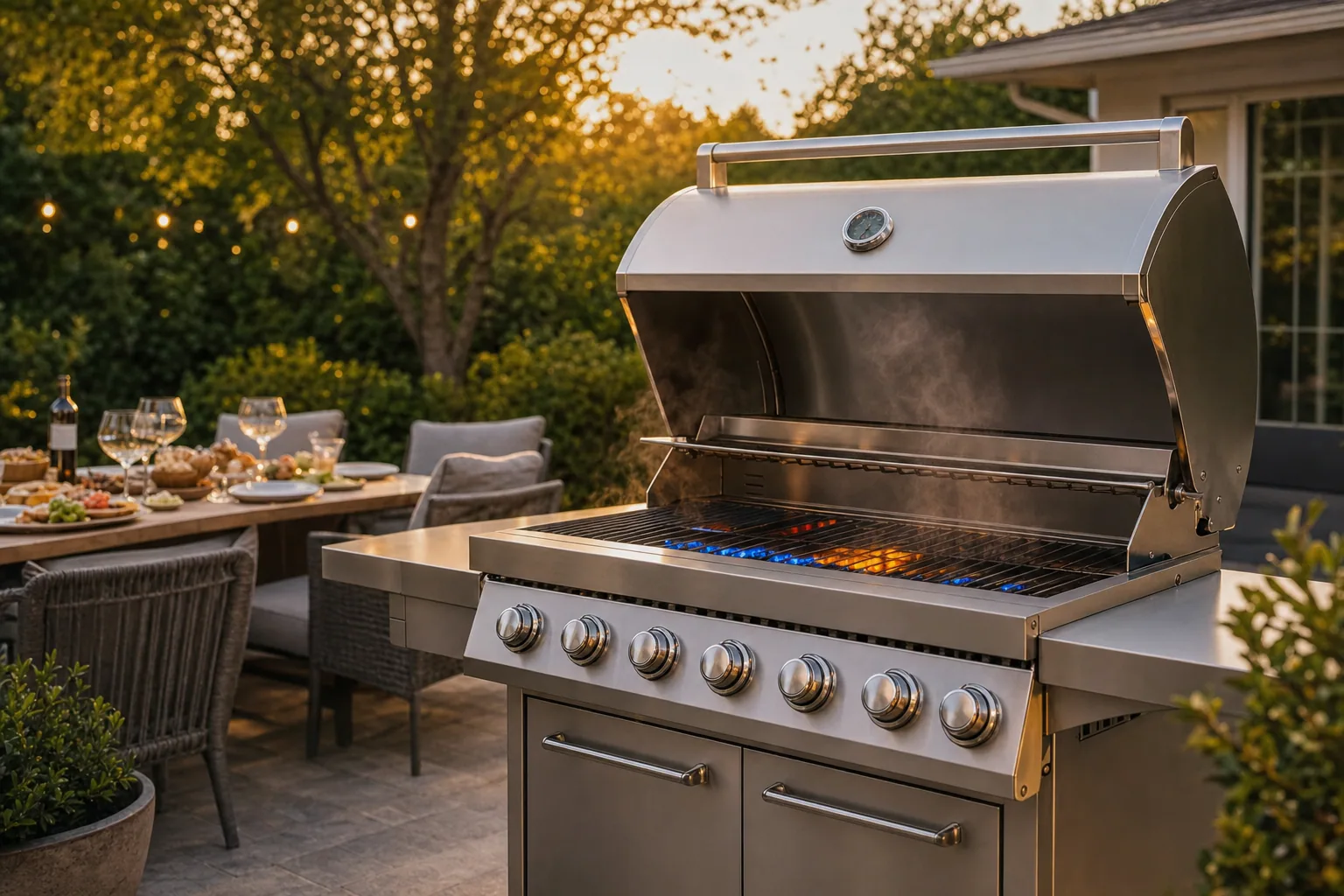
Getting grill temperature right is the difference between a perfectly seared steak and a dried-out disappointment. Whether you're new to outdoor cooking or stepping up your game, understanding how hot your grill should be is essential. Temperature control transforms your grill from a simple cooking tool into a precision instrument capable of delivering restaurant-quality results.
The good news: once you understand a few core temperature zones and what foods belong in each, you'll cook with confidence every time. This grill temperature guide walks you through the heat ranges you need and the foods that thrive at each level.
Understanding Grill Temperature Zones
Most outdoor cooks think about heat in three basic zones: high, medium, and low. But temperature isn't just about the thermometer reading. It's about how the heat interacts with your food. Different cooking styles demand different environments.
High-heat cooking happens between 400 and 500 degrees Fahrenheit, and sometimes hotter. This is where you sear steaks, burgers, and fish. Medium heat sits between 300 and 400 degrees, ideal for chicken and thicker cuts. Low heat, below 300 degrees, is perfect for low-and-slow smoking and gentle cooking of delicate proteins.
The key is knowing that you can create temperature zones on your grill by using burners strategically. On a multi-burner grill, you might run one side hot and leave the other at medium or low. This flexibility lets you sear on high heat, then move food to a gentler zone to finish cooking through without burning the exterior.
How Hot Should Grill Be for Different Proteins
Beef and Steaks
Beef loves heat. For a proper sear on a steak, preheat your grill to 450 to 500 degrees Fahrenheit. The high temperature creates a flavorful crust while the interior stays juicy and tender. Sear each side for 2 to 3 minutes, then move the steak to a slightly cooler zone (around 350 degrees) to finish cooking to your preferred doneness.
Thicker cuts like ribeye and New York strip benefit most from this two-zone approach. It's one of the secrets to achieving steakhouse results at home.
Grill Temperature for Chicken
Chicken is trickier than beef because the exterior can char while the interior stays undercooked. Preheat your grill to 350 to 400 degrees Fahrenheit for bone-in, skin-on chicken. Skinless breasts and thinner cuts do well at 375 to 425 degrees. Always use a meat thermometer to verify doneness: chicken should reach 165 degrees Fahrenheit at the thickest part of the thigh.
Many home cooks make the mistake of running the grill too hot for chicken. Starting at medium-high heat and moving thicker pieces to a slightly cooler zone ensures the skin crisps while the meat cooks evenly. If you're grilling bone-in chicken breasts or thighs, 350 to 375 degrees is your sweet spot.
Pork
Pork chops and tenderloin want a medium-high heat of 375 to 425 degrees. This range lets you develop a nice crust while the meat cooks through to the safe internal temperature of 145 degrees Fahrenheit. Thicker chops benefit from the two-zone method: sear hot, then finish at medium heat.
Ground pork for burgers should be cooked on a medium to medium-high grill (350 to 400 degrees) until it reaches 160 degrees internally.
Fish and Seafood
Fish is delicate and cooks quickly. Aim for 400 to 450 degrees Fahrenheit, depending on thickness. Thinner fillets (under an inch) do well at 400 degrees, while thicker steaks benefit from closer to 450 degrees. Most fish cooks through in 4 to 6 minutes per side. It's easy to overcook, so use a timer and check for flakiness rather than relying on feel.
Shrimp and scallops want high heat around 450 to 500 degrees to develop a golden crust before the interior hardens.
Vegetables and Low-Temperature Cooking
Vegetables are more forgiving than protein. Most do well at 350 to 400 degrees. Heartier vegetables like corn, bell peppers, and zucchini handle direct heat well. Leafy vegetables and softer items like mushrooms benefit from being off to the side of a hot grill, where heat is ambient rather than direct.
One trick: grill vegetables until they're marked and tender, then drizzle with oil and seasoning. They don't need precise internal temperature checks, which makes them perfect for learning heat control.
Tips for Accurate Temperature Control
Investing in a quality grill thermometer is worth it. The built-in dial on many grills can drift over time. A separate instant-read thermometer gives you real-time feedback on both the air temperature inside your grill and the internal temperature of your food.
Preheat your grill thoroughly. Most grills need 10 to 15 minutes to stabilize at the temperature you're targeting. Opening and closing the lid frequently disrupts heat, so resist the urge to check too often.
If your grill has multiple burners, learn how to zone it:
- Light one or two burners on high for searing
- Keep a medium-heat zone in the center
- Leave one side unlit for a cooler zone and for moving food away from flare-ups
This flexibility is one reason premium grills from brands like Napoleon, Summerset, and Memphis Grills are so popular with serious outdoor cooks. Their multi-burner systems and precise temperature control make it easier to manage different heat zones simultaneously.
Building Confidence at the Grill
Temperature mastery comes with practice. Start by getting comfortable with your specific grill. Every grill heats a little differently based on materials, design, and ambient conditions like wind. Keep notes on what temperature setting produces the heat level you want, and adjust from there.
Once you understand how hot your grill should be for chicken, steaks, and vegetables, you'll stop second-guessing yourself. You'll know when to sear hard and when to back off, and that knowledge translates into better food every single time.
The investment in a quality grill and a little attention to temperature control unlocks a whole world of outdoor cooking possibilities. Whether you're hosting a weeknight dinner for family or a full weekend gathering, the right heat at the right moment is what separates good food from unforgettable meals.
Start refining your technique with a grill built for precision. Prime Grill Shop offers premium grills from trusted brands, backed by free shipping, full manufacturer warranties, and U.S.-based support. Explore our collection and discover the grill that matches your cooking style and ambitions.