
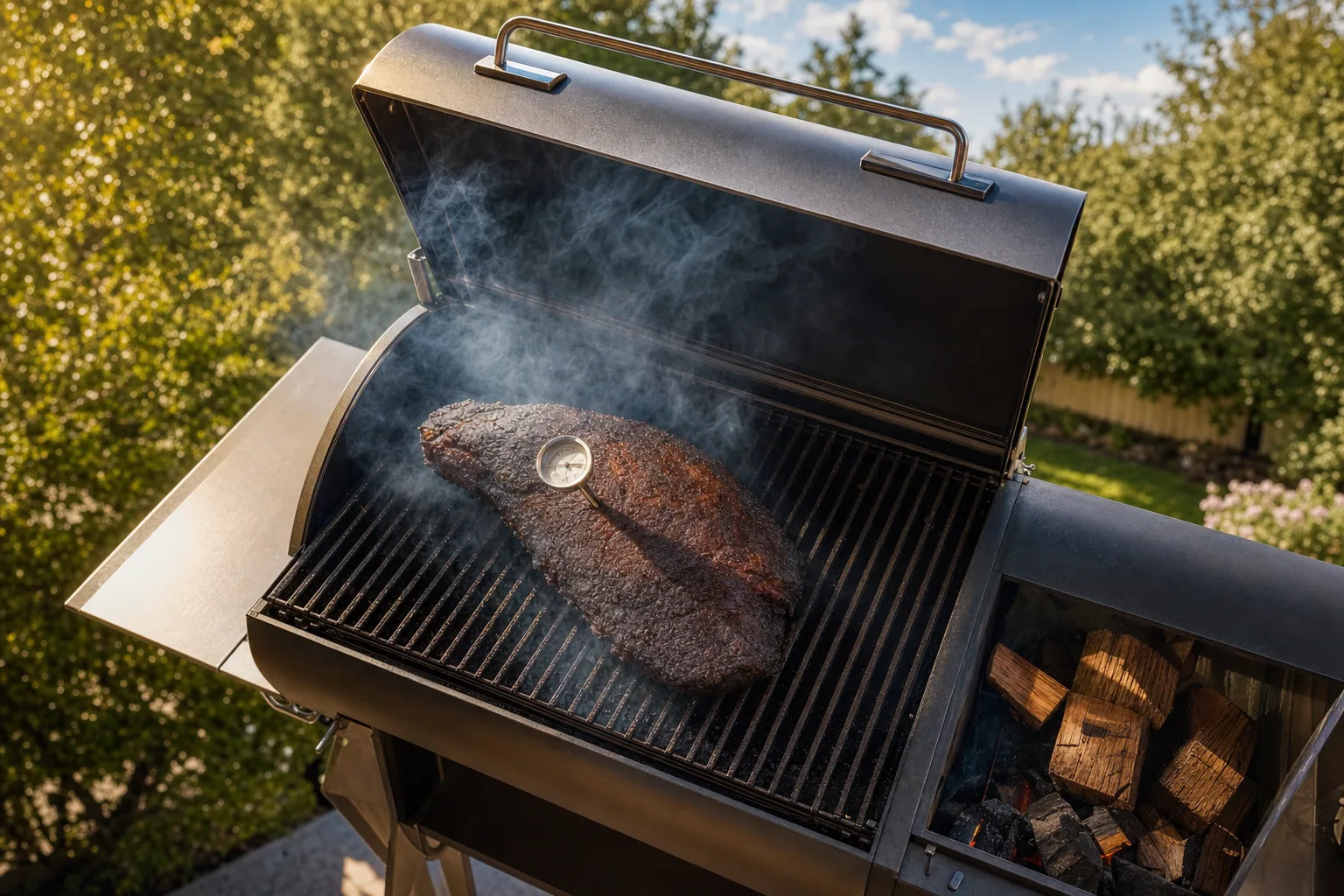
Smoking meat on a charcoal grill is one of the most rewarding forms of outdoor cooking. There's something deeply satisfying about the ritual of tending a fire, managing heat, and transforming simple cuts of meat into something truly exceptional through low-and-slow cooking. Whether you're a complete beginner or have grilled before, smoking on charcoal follows a learnable process that becomes second nature with practice.
If you're considering taking on smoking meat on charcoal grill, the good news is that you don't need expensive equipment to get started. Many charcoal grills can be converted into smokers with the right setup and technique. In this guide, we'll walk through the fundamentals of how to smoke on grill using charcoal, from fuel selection to temperature management to achieving that coveted smoke ring.
Choose the Right Charcoal Grill Setup
Not all charcoal grills are created equal for smoking. You'll want a grill with solid construction that holds temperature well and offers flexibility in airflow control. Ceramic grills like the Kamado Joe line excel at heat retention and temperature stability, making them exceptional for smoking. Other quality charcoal grills also work well if they have a tight-fitting lid and adjustable vents.
The key feature you need is the ability to control your fire zone. Offset firebox designs, side-fire chambers, or even a simple two-zone setup on a standard kettle grill can work. Two-zone cooking means building your charcoal on one side and placing meat on the other, allowing you to use indirect heat for low-temperature smoking.
Understanding Temperature Control
Temperature management is the foundation of successful smoking. Most smoking happens in the 225 to 275 degree Fahrenheit range, which requires careful control of your charcoal and air vents.
Here's how to manage temperature on a charcoal grill:
- Open vents wide to increase oxygen and heat; close them partially to reduce temperature
- Start with a modest amount of charcoal; you can always add more
- Use a high-quality grill thermometer to monitor the temperature near your meat, not just at the grill lid
- Make small vent adjustments and wait 15 to 20 minutes to see the effect
- Avoid constantly opening the lid, which causes temperature swings
Consistency matters more than perfection. If your temperature drifts between 200 and 275 degrees, that's acceptable and part of the learning curve. Precise control comes with experience.
Select Your Wood and Create Smoke
The type of wood you burn directly affects flavor. Common smoking woods include hickory, oak, apple, cherry, and mesquite. Each produces distinct flavor profiles:
- Hickory: Bold, smoky, slightly sweet
- Oak: Robust without overpowering
- Apple: Mild, fruity, gentle
- Cherry: Slightly sweet with depth
- Mesquite: Intense, earthy, use sparingly
For smoking tips for beginners, start with milder woods like apple or cherry. You can always experiment with stronger varieties once you understand your grill's behavior.
Use chunks or logs rather than chips. Chips burn too fast and produce acrid smoke instead of clean, flavorful smoke. Soak wood chunks in water for 30 minutes to an hour so they smolder rather than ignite. Dry chunks will catch fire immediately.
Place soaked wood chunks directly on hot charcoal. The coals should convert them into steady smoke within a few minutes. Aim for thin, blue smoke rather than thick, white smoke. Thick smoke often indicates the wood is smoldering inefficiently or the fire is too cool.
Prepare Your Meat and Set Up the Grill
Start with cuts designed for smoking: brisket, pork ribs, chicken thighs, and pork shoulder are classic choices. These fattier, tougher cuts benefit from the long, slow cooking that smoking provides.
Prepare your meat by trimming excess fat and applying a dry rub the night before smoking, or at least an hour before cooking. Common rub ingredients include brown sugar, paprika, garlic powder, and salt.
Arrange your grill for smoking. If using a two-zone setup, place charcoal on one side and your meat on the other side of the grates. Insert a meat thermometer into the thickest part of your meat, away from bone. Place a water pan below the meat on the cool side to regulate temperature and add moisture to the cooking environment.
Monitor and Maintain Your Smoke
Once your grill is stabilized at temperature, your job becomes steady maintenance. Check the temperature every 30 to 45 minutes, but resist opening the lid unnecessarily. Every time you lift the lid, heat escapes and temperature drops by 15 to 25 degrees.
Add fresh wood chunks every 30 to 60 minutes to maintain consistent smoke. As your meat cooks, the bark or crust develops on the surface. If it's getting too dark, move the meat slightly further from direct heat or reduce your temperature by 10 to 15 degrees.
Keep water in your water pan throughout the cook. If it evaporates, add hot water, not cold, to avoid temperature shock.
Know When Your Meat Is Done
Don't rely on time alone. Meat cooks at different rates depending on size, shape, and grill temperature. Instead, use a meat thermometer to check doneness:
- Beef brisket: 203 degrees Fahrenheit
- Pork ribs: 195 to 203 degrees Fahrenheit
- Chicken thighs: 165 degrees Fahrenheit
- Pork shoulder: 203 degrees Fahrenheit
Once your meat reaches target temperature, remove it from the grill and let it rest for 10 to 20 minutes before slicing. This allows juices to redistribute, resulting in more tender, flavorful meat.
Final Thoughts
Smoking meat on charcoal is as much about enjoying the process as it is about the final result. Each cook teaches you something new about your grill's personality, how your wood behaves, and how different cuts respond to time and heat. Start simple, keep notes on what works, and embrace small mistakes as part of mastering the craft. Before long, you'll be smoking meat with confidence and turning backyard gatherings into memorable shared experiences.