Understanding Natural Gas Grill Installation Basics
Installing a natural gas grill transforms your outdoor space into a hub for family gatherings and entertaining. Unlike propane grills that rely on portable tanks, natural gas grills connect directly to the gas line that runs through your home, offering convenience and consistent fuel supply. However, natural gas grill installation requires careful planning and often professional help to ensure safety and compliance with local codes.
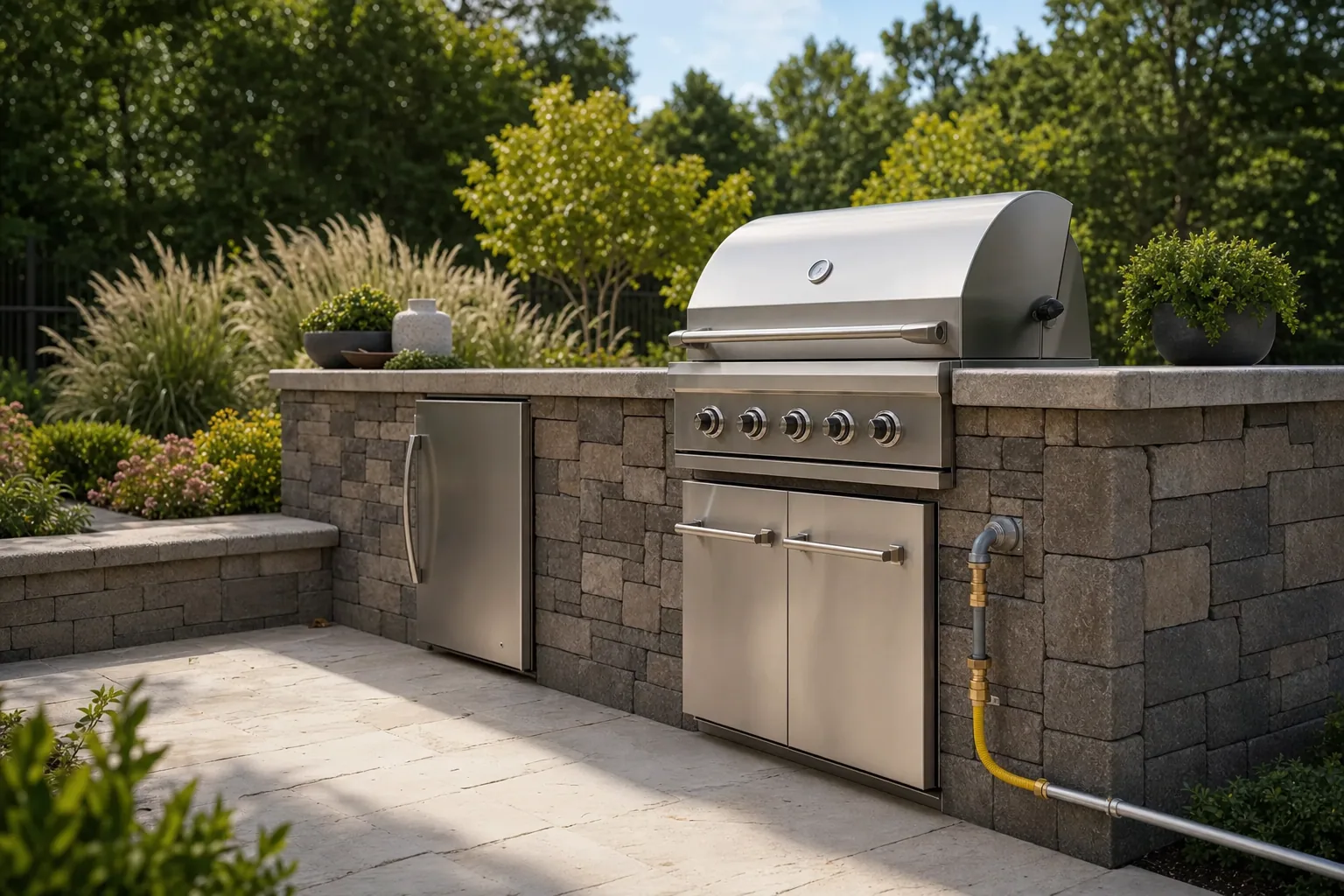
Before you purchase a grill, understanding the installation process helps you make an informed decision and avoid costly surprises. Whether you're planning to install a freestanding model or integrate a built-in grill into a permanent outdoor kitchen, the fundamentals of outdoor gas line installation remain consistent.
Determining If Your Home Has a Gas Line
The first step in installing a natural gas grill is confirming whether a gas line already exists in your home or yard. Check the following:
- Your home's main gas meter and where it's located relative to your outdoor cooking area
- Whether a gas line runs underground or above ground toward your backyard
- If you have natural gas appliances inside your home (furnace, water heater, stove)
- The distance from your home to the planned grill location
If your home already receives natural gas, extending the line to your patio or outdoor kitchen is often more cost-effective than installing one from scratch. Homes without natural gas service will need a new gas line run from the street, which involves higher installation costs and potential utility company involvement.
Contact your local natural gas utility to request a site visit. They can locate existing lines, discuss extension options, and provide cost estimates. This step is essential before purchasing your grill.
Planning Your Outdoor Gas Line Installation
Proper planning prevents both safety hazards and installation headaches. Consider these factors:
Distance and Routing: Determine the shortest, safest path from your existing gas connection to the grill location. Outdoor gas lines can run above ground in protective conduit or be buried underground, depending on local codes and your preference.
Local Building Codes: Natural gas installations are heavily regulated. Contact your city or county building department to learn about permit requirements, inspection standards, and approved materials. Some jurisdictions require licensed plumbers or gas fitters for any gas line work.
Accessibility for Maintenance: Plan the line route so you can access connections and shutoff valves if repairs or maintenance become necessary. Buried lines should be clearly marked to prevent accidental damage.
Space Planning: If you're designing a larger outdoor kitchen, think about where your grill will sit in relation to refrigeration, storage, and other appliances. This affects not just gas lines but also electrical needs and drainage.
Hiring a Licensed Professional
While some homeowners tackle plumbing projects themselves, natural gas work should almost always be done by a licensed professional. Working with gas carries serious safety risks including leaks, explosions, and carbon monoxide exposure.
A licensed plumber or gas fitter will:
- Obtain necessary permits and schedule inspections
- Use code-approved materials and techniques
- Test the system for leaks using specialized equipment
- Ensure proper ventilation and safety measures
- Provide documentation for your home records and insurance
When choosing a contractor, ask for references, verify licenses, and get a detailed written estimate before work begins. Many professionals also handle the utility company coordination, saving you time and confusion.
Installing the Grill Connection
Once your gas line reaches the intended location, the final connection to your grill requires precision. Your grill will come with manufacturer specifications for the connection type, usually either a flexible gas line with quick disconnect or a rigid pipe connection.
Key points for the connection:
- Use only approved connectors rated for outdoor use and natural gas
- Apply thread sealant (also called Teflon tape or pipe dope) to all threaded connections
- Connect the gas line to your grill's inlet valve, following the manufacturer's instructions exactly
- Never force connections or improvise with incorrect fittings
- Test for leaks using soapy water on all connections. Bubbles indicate a leak that must be fixed before use
If you're installing a built-in grill as part of a permanent outdoor kitchen, the gas connection happens during the integration phase. Many people work with kitchen designers or contractors who coordinate both the structural installation and the gas connection.
Safety Checks Before First Use
Before firing up your new natural gas grill, perform these safety checks:
- Verify that all connections are tight and leak-free
- Check that the shutoff valve is easily accessible and functioning
- Ensure proper ventilation around the grill location
- Test the ignition system to confirm the grill lights properly
- Run the grill at low heat for several minutes, checking for any unusual smells or sounds
- Have a fire extinguisher rated for gas fires nearby
Schedule a professional inspection if you have any doubts about the installation quality or safety. Your peace of mind is worth the cost of verification.
Ongoing Maintenance and Safety
After installation, maintaining your natural gas grill keeps it safe and functional for years. Inspect connections annually, especially before the grilling season. Look for corrosion, damage, or loose fittings. Replace any damaged connectors immediately.
Keep the area around your grill clear of debris and flammable materials. Have a qualified professional service your grill if you notice persistent odors, poor ignition, or uneven flame patterns.
Ready for Your Premium Natural Gas Grill
Proper natural gas grill installation is an investment in safety, convenience, and outdoor entertaining. Taking time to understand the process and working with licensed professionals ensures your new grill operates safely and performs reliably for decades.
When you're ready to choose your grill, Prime Grill Shop carries premium models from trusted brands like Napoleon, Summerset, and TrueFlame. Our team offers personalized support to help you select a grill that fits your space and cooking style. We handle the details so you can focus on creating memories with family and friends.