
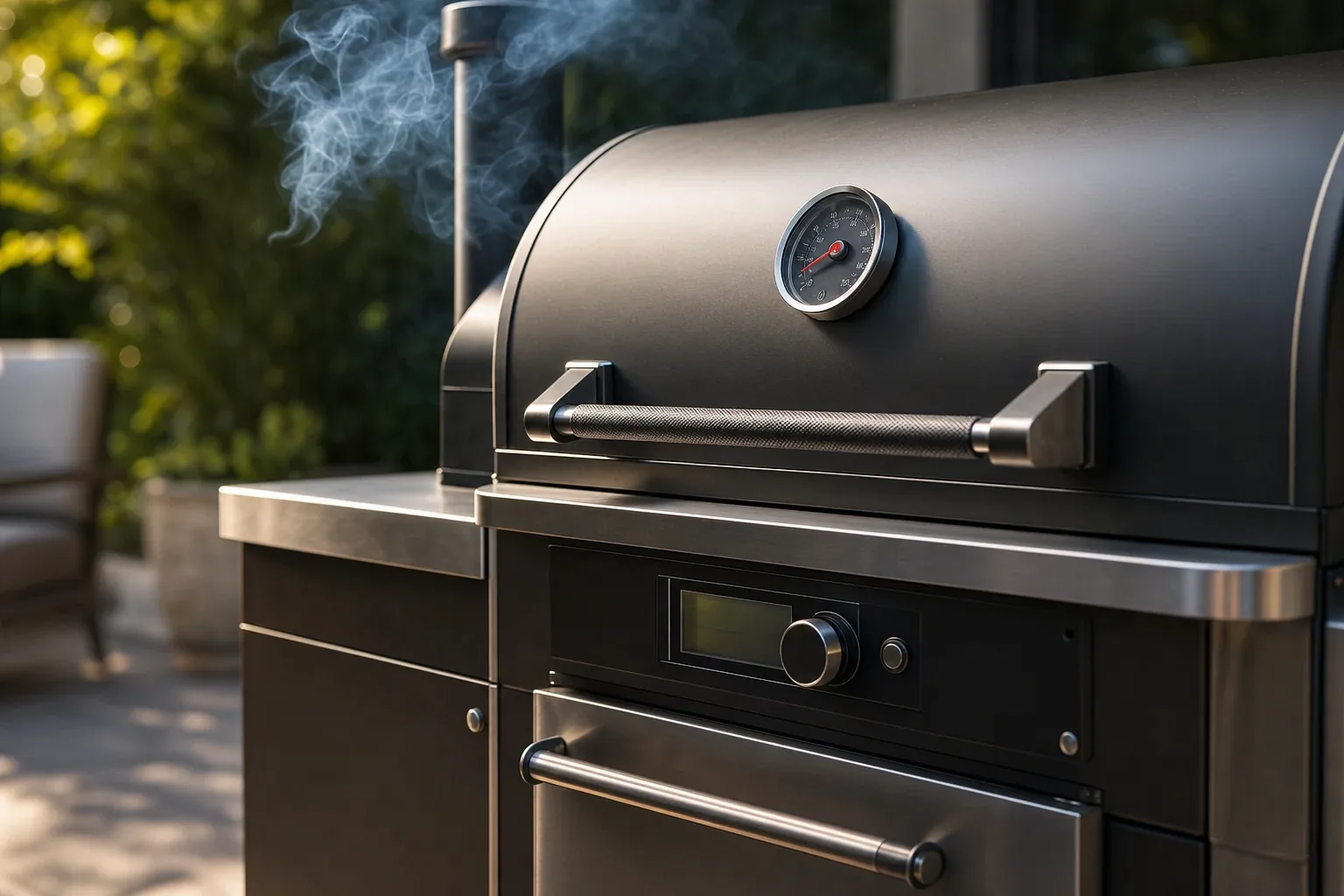
Getting Meat Smoking Temperatures Right
Achieving perfect smoker temperature control is the difference between juicy, fall-apart brisket and tough, disappointing results. Whether you're new to smoking or refining your technique, understanding how to control smoker temperature and maintaining consistent meat smoking temperatures are fundamental skills that transform your backyard into a restaurant-quality kitchen.
Smoking is a low-and-slow cooking method, but "low and slow" doesn't mean guessing. Your smoker's temperature needs to stay steady within a target range, and you need to know which range works best for each cut of meat. Let's break down what you need to know.
Understanding Target Meat Smoking Temperatures
Different meats require different smoking temperatures to cook safely and taste their best. Here are the main targets:
- Brisket: 225-250°F. Cook until the internal temperature reaches 203°F for that fall-apart texture.
- Ribs: 225-275°F. Low temperature keeps them tender; check for the "bend test" (they should bend and almost break apart).
- Pulled pork: 225-250°F. Target an internal temperature of 190-205°F, then rest before pulling.
- Chicken: 250-275°F. Chicken cooks faster than beef; pull it at 165°F internal temperature.
- Turkey: 225-250°F. Use a meat thermometer to ensure the thickest part reaches 165°F.
- Salmon and fish: 180-200°F. Delicate proteins need gentler heat and shorter cooking times.
These ranges exist because collagen in tough cuts breaks down gradually at these temperatures, turning into gelatin and keeping the meat moist. Rush the temperature, and you'll have dry, stringy meat instead.
Mastering How to Control Smoker Temperature
Temperature control in a smoker depends on a few key factors: airflow, fuel, and the smoker's design. Most smokers use vents to regulate air intake and exhaust, which directly affects how hot the fire burns.
Air intake control: Vents at the bottom of your smoker control oxygen flow to the fuel. Open them wider and the fire gets hotter. Close them partially and the temperature drops. Start by setting your intake vents to about 25% open, then adjust in small increments.
Exhaust control: The top vent or chimney allows hot air and smoke to escape. A wider opening cools the chamber faster. Many experienced pitmasters keep the top vent fully open and adjust the bottom vents instead, as it's more responsive.
Fuel management: The type and amount of fuel affects both heat and smoke. Charcoal burns hotter than wood chips, while pellet smokers adjust temperature digitally by varying the feed rate. Using a mix of hardwood (oak, hickory, mesquite) with your fuel adds flavor without spiking temperature.
Two-zone setup: If your smoker is large enough, create a hot zone directly over the fuel and a cooler zone on the opposite side. Place meat in the cooler zone to prevent overcooking the outside while the inside stays rare.
The Smoking Temperature Guide Essentials
Here's a practical smoking temperature guide to keep in mind:
-
Preheat your smoker: Always bring it to target temperature before adding meat. This typically takes 30-60 minutes. Use this time to monitor airflow and dial in your controls.
-
Use reliable thermometers: Place one thermometer on the grate where your meat will sit (not directly over the heat source) to monitor the cooking environment. Use a separate meat thermometer to track internal temperature.
-
Avoid opening the smoker: Every time you peek inside, heat and smoke escape, and you lose temperature stability. Plan your checks, and trust your thermometers.
-
Manage the stall: Meat often plateaus in temperature (the stall) around 150-170°F, especially brisket. This is normal. Stay patient and maintain temperature. Some pitmasters wrap the meat in foil to push through faster, though purists skip this.
-
Rest after smoking: Remove meat when it hits target internal temperature, wrap it in foil, and let it rest for at least 30 minutes. This redistributes juices throughout the meat.
Fine-Tuning Your Smoker for Consistent Results
Every smoker behaves differently based on outside temperature, wind, fuel quality, and wear over time. Expect a learning curve.
Temperature swings are normal: A variance of plus or minus 5-10°F is acceptable and common, even with careful airflow management. Aim for consistency rather than perfection.
Keep a log: Write down your target temperature, fuel type, vent positions, outside weather, and cooking time for each smoke session. Over time, you'll recognize patterns and know exactly how to adjust your specific smoker.
Upgrade your thermometers: Cheap thermometers are often inaccurate by 10-25 degrees. Investing in quality, calibrated thermometers is one of the best upgrades you can make.
Consider your smoker type: Offset barrel smokers require more active management than vertical water smokers or modern pellet models. If you find yourself constantly adjusting vents, a premium smoker with better insulation and design will make temperature control far easier and more enjoyable.
Investing in the Right Equipment
Temperature control becomes much easier when your smoker is built for precision. Prime Grill Shop carries a range of smoker grills from trusted brands, including options with digital thermostats and automated temperature management. Premium smokers from manufacturers like Memphis Grills and Summerset are engineered for stable heat retention, helping you hit and hold your target temperature without constant fiddling.
Whether you're smoking your first brisket or your fiftieth, understanding meat smoking temperatures and how to control smoker temperature transforms your results. The investment in a quality smoker, reliable thermometers, and a bit of practice pays dividends in flavor, tenderness, and the smiles around your table. Start with your target temperature range, manage your airflow, trust your thermometers, and let time do its work. Every smoke session teaches you something new about your equipment and your craft.